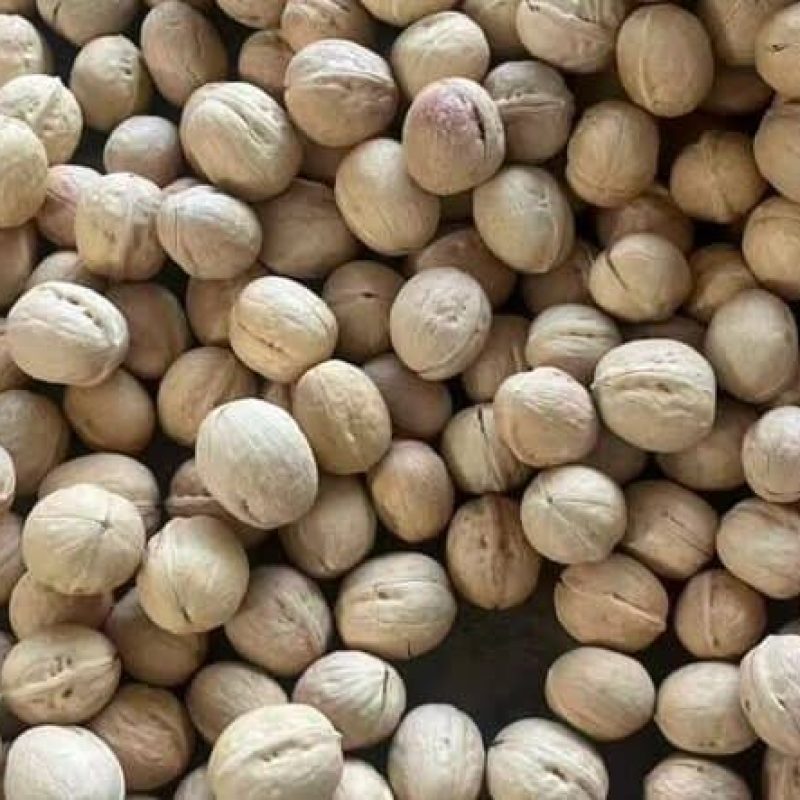
From Boom to Slowdown: My View of China’s Walnut Market in 2025–2026
My name is Jeff Sun, and I am from Aksu, Xinjiang, China.
My family owns a walnut processing factory. We buy, process, and export walnuts. Aksu is one of the main walnut-producing areas in Xinjiang. It is famous for 185 walnuts and Xin-2 walnuts. These walnuts are known for their good quality and high yields.
After graduating from university in 2021, I came back to my hometown and joined the family business. Since then, I have worked closely with farmers, processors, traders, and overseas buyers.
The walnut market in 2025 was very different from anything I had seen before. In this article, I want to share what I saw and learned as a buyer working directly in the market.
1. Why the Market Was Strong in 2024
After the COVID period ended, Xinjiang walnuts returned to international markets.
In 2023, some areas of Xinjiang still faced local restrictions. Many walnuts could not be sold, and large amounts stayed in storage. At one point, prices dropped to around USD 1 per kilogram.
Later, border crossings between Xinjiang and Central Asia reopened. Xinjiang walnuts became available to overseas buyers again.
Because of their stable quality and competitive prices, Xinjiang walnuts quickly gained attention in international markets. Demand grew, especially for walnut kernels. Export volumes increased year by year.
In 2024, many international buyers purchased large quantities while prices were still reasonable.
By November, most high-quality walnuts in Xinjiang had already been sold. Farmers and traders had very little good stock left.
Before the 2025 harvest even started, demand was already higher than supply. Most people expected prices to continue rising.
Looking back, this was the beginning of what happened in 2025.
2. The Crazy Buying Season of 2025
In late August 2025, walnuts were not fully mature yet. However, many traders had already arrived in Aksu to secure supply.
Some buyers went directly to orchards and signed deals before harvest.
Around our factory, it became difficult to find available walnuts once harvest started in September. Most of the crop had already been sold and sent to processing plants.
The market became extremely hot.
Prices increased almost every week.
When prices went up, some farmers who had already agreed to sell wanted higher prices. This pushed the market even higher.
Many people who had never traded walnuts before also entered the business. They believed prices would continue to rise.
International buyers, Chinese processors, and trading companies remembered the shortage of 2024. Many signed contracts early because they were afraid of missing supply.
This created even more competition.
One thing I remember clearly is that after harvest, many villages in the best growing areas had almost no walnuts left in farmers’ homes.
The walnuts had already moved into warehouses owned by traders, factories, and investors.
As prices rose, expectations rose too.
For example, if a factory bought walnuts from a farmer for USD 2.00 per kilogram and later sold them for USD 2.10, some farmers started thinking they should receive the higher price as well.
When factories needed more raw material, they had no choice but to buy at higher prices.
From September to December, prices kept climbing.
By the time of Chinese New Year, raw walnut prices reached about USD 2.73 per kilogram.
3. The Market Changed After Chinese New Year
After Chinese New Year in 2026, many people still believed prices would keep rising.
But there was a problem.
Global walnut demand usually becomes slower after the holiday season.
While prices stayed high, new orders started to fall.
The market had been driven by confidence and expectations. Once demand became weaker, prices could no longer stay at those levels.
At the same time, tensions involving Iran added more uncertainty to the market.
Prices in Xinjiang started to drop.
Once prices began falling, buyers became more careful. Many decided to wait before placing new orders.
As demand slowed, fear spread through the market.
In only two or three months:
- In-shell walnut prices fell by about USD 0.74 per kilogram.
- Walnut kernel prices dropped by nearly USD 1.10 per kilogram from their late-2025 highs.
Inventory became a major problem.
Walnuts do not store well in hot weather. During May and June, many companies need cold storage to protect product quality.
Cold storage is expensive.
At the same time, nobody knew how much further prices could fall.
Fortunately, before Chinese New Year, I sold most of our inventory because I felt the market was becoming too risky.
That decision helped us avoid larger losses.
4. What Matters Most for the 2026 Harvest
Today, prices are still under pressure.
No one knows exactly where the bottom of the market is.
After speaking with many overseas buyers, I can see that they are much more cautious than before.
One reason is quality.
During the price boom of 2025, some traders mixed lower-quality walnuts with better products.
As a result, some buyers received shipments that did not match their expectations.
Another concern is old inventory.
Old walnuts often look almost the same as fresh walnuts from the outside.
In many cases, you cannot tell the difference until you crack them open.
This becomes a bigger problem after processing and export.
Over time, old walnut kernels may develop unpleasant flavors. This can create problems for importers, distributors, and food manufacturers.
Because of this, I believe the biggest challenge in 2026 will not be price.
The real challenge will be quality and trust.
Buyers want fresh walnuts. They want consistent quality. They want suppliers they can rely on.
Some companies still hold large amounts of old inventory. There is a risk that old walnuts could be mixed with new-season product.
For overseas buyers, visiting production areas such as Aksu and building relationships with reliable suppliers may be more important than ever.
Final Thoughts
The years 2025 and 2026 may become some of the most memorable years in China’s walnut industry.
For me, this experience taught an important lesson.
Markets can move up very quickly.
They can also move down very quickly.
In the long run, success does not come from speculation.
It comes from staying rational, maintaining quality, and building trust with customers.
I would be happy to hear from others in the industry, whether you are a grower, processor, trader, or international buyer.
If you have your own views on the market or would like to discuss cooperation, feel free to contact me.
Jeff Sun
Aksu, Xinjiang, China
Walnut Procurement, Processing, and Export